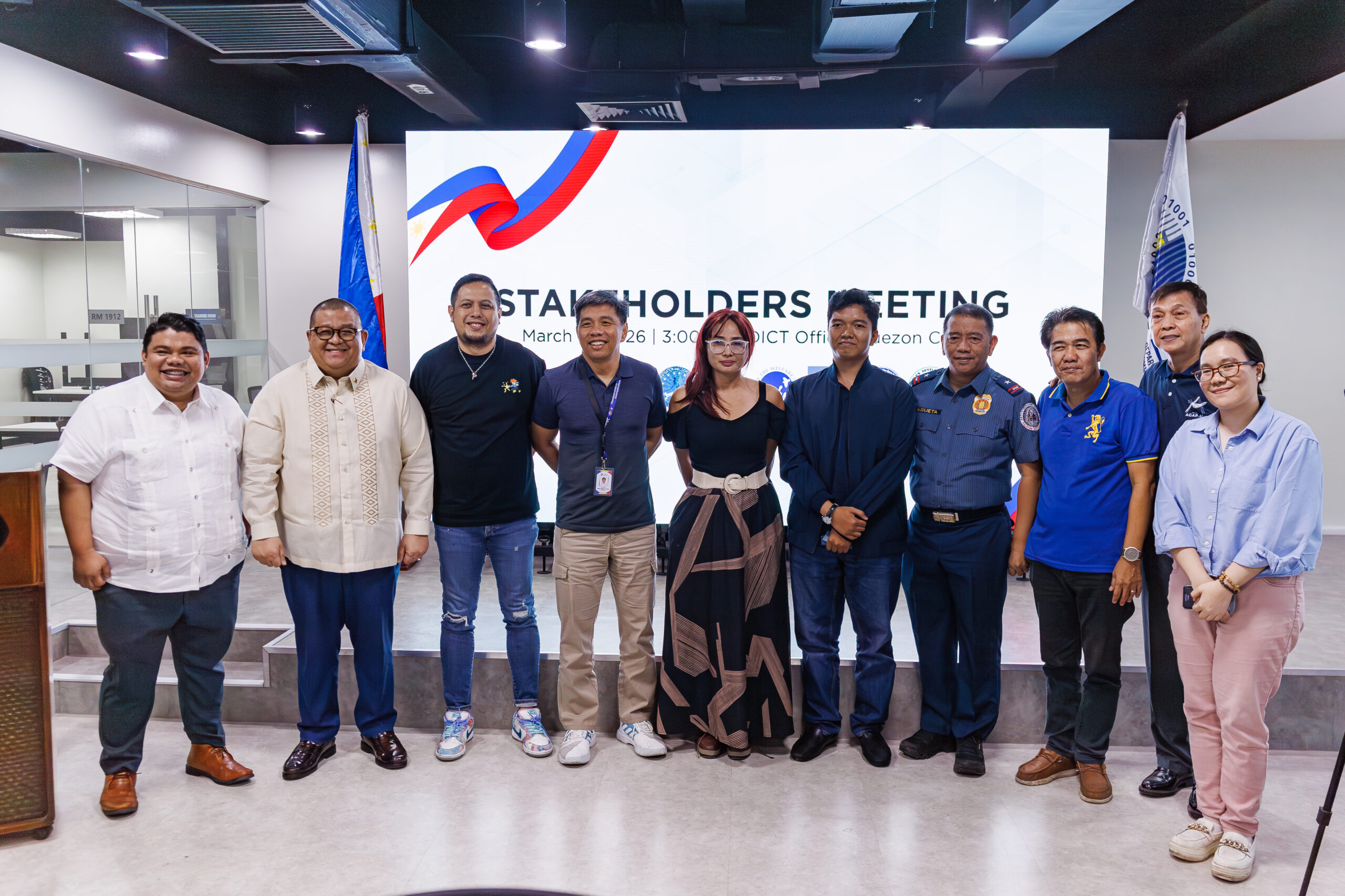
Roblox Stakeholders Meeting
March 31, 2026 | DICT headquarters, Quezon City
We are here today not just to talk about a platform, but to confront a responsibility.
Roblox Corporation is, without question, a global success story. It has unlocked creativity, enabled a new generation of developers, and created economic opportunities—even for young Filipinos. That is the upside, and we recognize it.
But let’s be clear: innovation without safeguards is not progress—it is risk.
And when that risk involves children, the threshold for tolerance must be very low.
Right now, Roblox operates in an environment where age can be easily falsified, identities are largely unverified, and interactions are insufficiently controlled. This creates a system where bad actors can hide in plain sight—where grooming, exploitation, and exposure to harmful content can happen behind avatars and usernames.
We have seen this pattern before across digital platforms: Technology moves fast. Safeguards move slow. And children are left in between.
Now, let me address the argument we will inevitably hear: “If we impose strict regulations, we risk losing innovation, investments, and opportunities.”
That concern is valid. We should not dismiss it. But we need to ask a more fundamental question:
What is the cost of inaction?
What is the cost of a child being exposed to predatory behavior?
What is the cost of normalization of unsafe digital spaces?
What is the long-term cost to trust in our digital ecosystem?
Because if the price of “opportunity” is systemic vulnerability, then we are not building a digital economy—we are enabling a digital hazard.
Digital Pinoys is not calling for a ban as a first step. We are calling for responsibility.
We are calling for Real age verification—not self-declared birthdays, KYC mechanisms that create accountability, Default child safety protections—not optional settings buried in menus, and Active detection of harmful behavior—not reactive moderation after damage is done.
These are not radical demands.
These are baseline expectations in any environment where children are present.
Let me be equally clear on our position:
If these safeguards are implemented properly, transparently, and with urgency then platforms like Roblox can continue to operate, innovate, and even thrive in the Philippines.
But if they are not, then we must be prepared to take stronger action, including restriction or blocking.
Not because we are anti-technology.
Not because we are anti-business.
But because we are pro-child safety.
This is the line we have to draw.
The Philippines should not become a testing ground where platforms maximize engagement while minimizing responsibility.
We should be a country that says: If you want access to our market, If you want Filipino users, If you want Filipino children on your platform, then you must meet the highest quality standards of safety and accountability.
Because at the end of the day, this is not a technical debate.
It is a moral one.
We can afford to lose some opportunities.
We cannot afford to lose a generation’s safety.